
Feature In





Discover Our World of Guitars
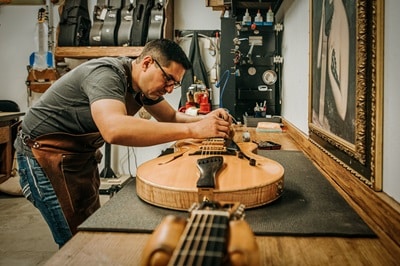
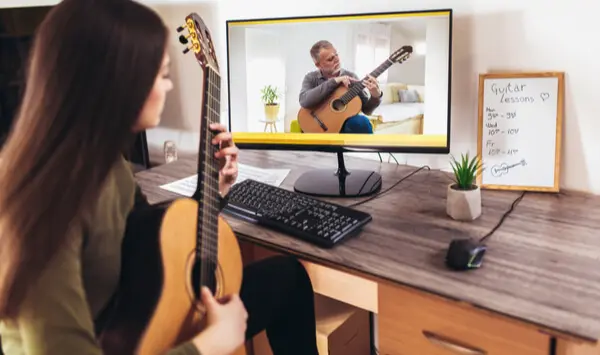
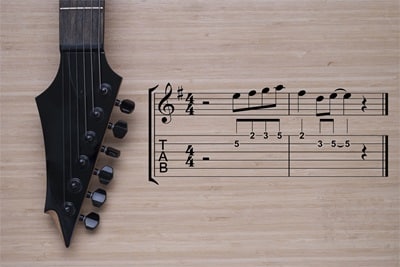
Fretterverse has been pioneering guitar education for over a decade. Our expertise spans from traditional techniques to modern styles, tailored for guitarists at all levels. Whether you’re starting out or refining advanced skills, our platform offers comprehensive tutorials, personalized coaching, and a vibrant community.
Join us and transform your guitar dreams into reality.



Meet Our Team

Charles Davis
Your Guide to Guitar Mastery

David Garcia
Bridging Science and Strings

Michael Brown
Your Trusted Navigator in the World of Guitar Gear
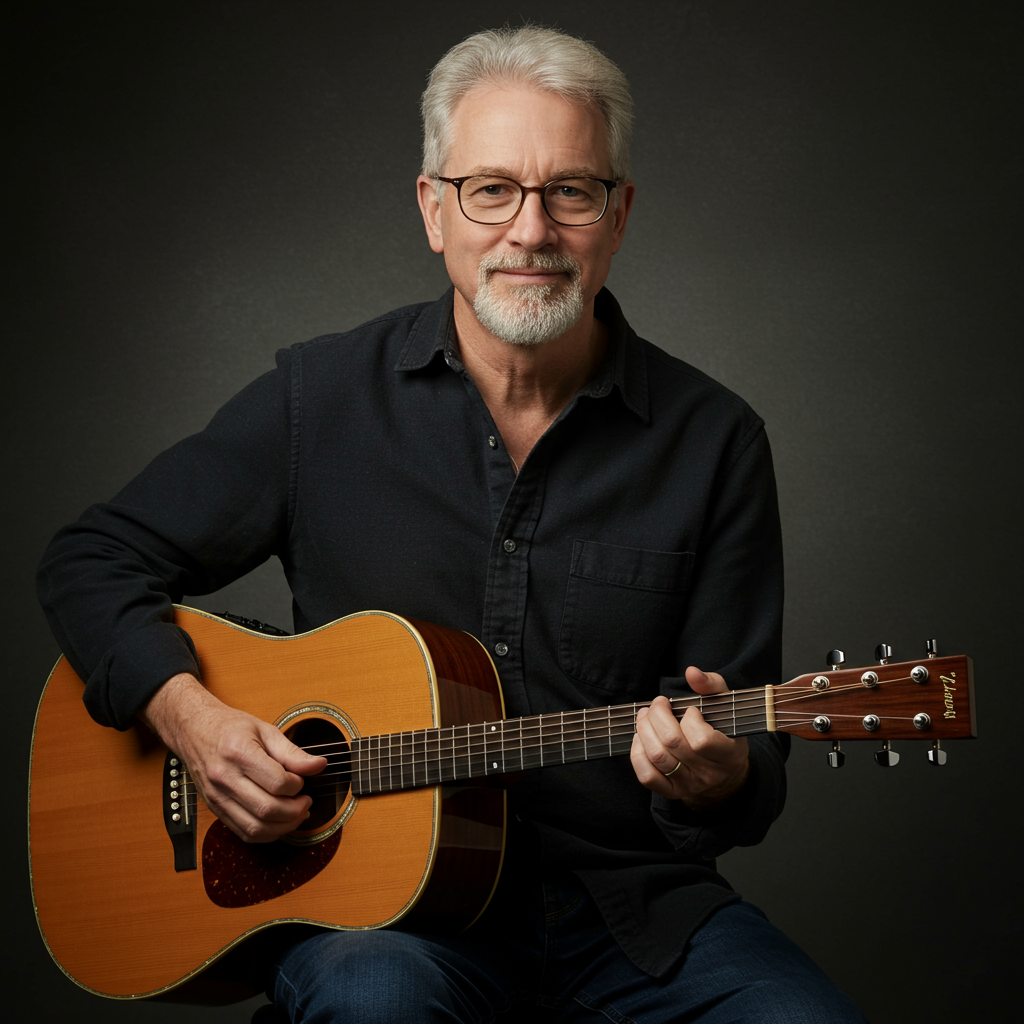
Richard Miller
The Soulful Voice of Acoustic GuitarRichard Miller

Frequently Asked Questions
Delve into our Frequently Asked Questions for instant insights into our guitar community. Whether you’re curious about our services, seeking guitar guidance, or looking to connect with fellow enthusiasts, find your answers here. Our FAQs are designed to enhance your Fretterverse experience, addressing common queries and offering clarity to support your musical journey.
What sets Fretterverse’s online guitar lessons apart from others?
Fretterverse’s lessons are uniquely designed by expert guitarists and educators, focusing on immersive and interactive learning experiences. We blend traditional techniques with innovative approaches to make learning both effective and enjoyable.
How does Fretterverse support the learning process of a beginner guitarist?
For beginners, we offer a structured and supportive learning environment. This includes foundational courses, easy-to-follow tutorials, and access to a community for guidance and motivation.
What kind of music genres can I explore at Fretterverse?
Our platform covers a wide range of genres, from classical and jazz to rock and blues. We believe in catering to diverse musical tastes and encouraging exploration in various styles.
How can I connect with other guitar enthusiasts through Fretterverse?
Our community forums and social media channels are perfect for connecting with fellow guitarists. Here, members can share experiences, collaborate on projects, and participate in discussions.
Are there opportunities for live performances or showcases on Fretterverse?
Yes, we occasionally organize online recitals and showcases where students can perform and receive feedback. These events are great opportunities for live performance experience.
Can Fretterverse help me with composing and writing my own music?
Absolutely. We offer resources and tutorials on songwriting and composition, helping you to channel your creativity and bring your musical ideas to life.
Is there guidance available on Fretterverse for purchasing my first guitar?
Yes, we provide comprehensive buying guides and advice to help you choose the right guitar based on your preferences, budget, and playing style.
What makes Fretterverse suitable for advanced guitar players?
For advanced players, we offer in-depth tutorials on complex techniques, music theory deep dives, and opportunities for peer-to-peer learning and collaboration on advanced topics.
How can I track my progress on Fretterverse?
We provide tools and features that allow you to track your learning progress, set goals, and review your improvement over time, ensuring a fulfilling learning experience.
Our Clients Belive Us

“Joining FretterVerse was a game-changer for my guitar journey. The range of lessons and the depth of knowledge available are simply unmatched. As a beginner, I felt welcomed and supported every step of the way. The personalized coaching sessions particularly accelerated my learning. It’s not just a platform; it’s a community where I’ve found inspiration and encouragement.”

“I’ve been playing guitar as a hobby for years, but FretterVerse opened up a whole new world for me. The tutorials are engaging and easy to follow, and the variety of genres covered is incredible. The community forums are a great place to connect with other guitar enthusiasts. I love how FretterVerse makes learning guitar so accessible and fun!”

“As a professional guitarist, I’m always looking to refine my skills, and FretterVerse has been an invaluable resource. The advanced workshops and masterclasses have not only honed my technique but also broadened my musical perspective. The platform’s commitment to quality and the depth of its content are truly impressive. Highly recommend it to guitarists at any level.”